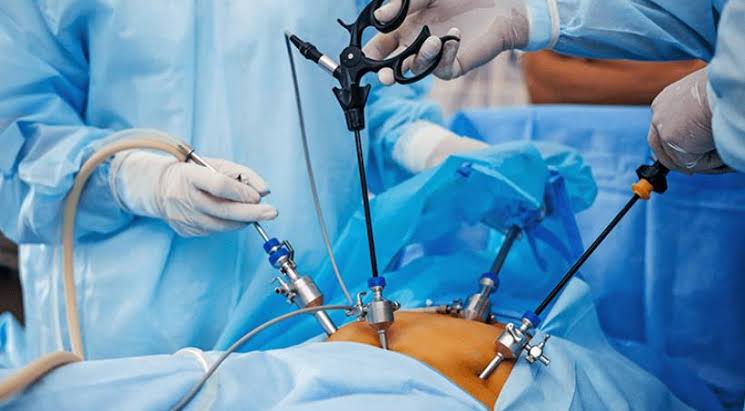
Laparoscopic surgery, often referred to as keyhole surgery or minimal access surgery, is a modern surgical technique where operations are performed through small keyhole incisions (5–10 mm) rather than large traditional cuts.
Using a high-definition laparoscope (a small telescope with a video camera and light source), the surgeon visualizes internal organs on a monitor in real time. Specialized micro-instruments are then used to perform precise procedures with minimal disruption to surrounding healthy tissues.
Why Choose Laparoscopic Surgery Over Traditional Open Surgery?
Surgical removal of the gallbladder is the gold-standard treatment for symptomatic gallbladder stones, inflammation (cholecystitis), or gallbladder polyps. Keyhole surgery ensures rapid recovery and immediate relief from severe biliary colic pain.
Immediate keyhole removal of an inflamed or infected appendix (appendicitis). The technique reduces abdominal pain and prevents severe complications like appendix rupture or peritonitis.
Correction of severe abdominal muscle separation (often post-pregnancy or after massive weight loss) using modern extraperitoneal and minimally invasive repair techniques.
5. Laparoscopic Diagnostic & Emergency Procedures
Exploratory diagnostic laparoscopy for chronic abdominal pain, intestinal adhesion release (adhesiolysis), and perforated ulcer repairs.
Why Choose Dr. Shresth Manglik for Laparoscopic Surgery?
Dr. Shresth Manglik has experience in laparoscopic and minimally invasive surgery, with particular expertise in laparoscopic hernia repair, gallbladder surgery, appendectomy and advanced abdominal wall procedures.
As an Associate Consultant in the Department of Laparoscopic, Laser & General Surgery at Sir Ganga Ram Hospital, Delhi, Dr.Manglik’s clinical practice includes both laparoscopic and open surgical procedures. His approach is based on the patient’s condition, diagnosis, medical history and the procedure considered appropriate for their individual needs.
International Training & Clinical Expertise: Advanced clinical training at world-renowned centers, including the Hamburg Hernia Centre (Germany) and AZ Maria Middelares (Belgium).
Academic Leader & Surgical Trainer : Associate Consultant at Sir Ganga Ram Hospital, active faculty member at national surgical training programs (FIAGES, FALS, SEPA).
Compassionate & Patient-First Care: Every treatment plan is tailored with evidence-based surgical methods, ensuring optimal outcomes and high safety standards.
Seamless Insurance Support : Assisting patients with cashless claim processing and complete documentation.
Frequently Asked Questions?
Q1. Is laparoscopic surgery safe?
Yes, laparoscopic surgery is widely considered safer than traditional open surgery when performed by an experienced surgeon. The smaller incisions lower the risk of post-operative infection, bleeding, and wound breakdown.
Q2. How long does recovery take after keyhole surgery?
Most patients are up and walking within hours after surgery and discharged within 24 to 48 hours. You can typically resume normal routine light activities within 5 to 7 days.
Q3. Will there be visible scarring?
Incision marks are extremely small (5–10 mm) and placed strategically along natural abdominal folds or the naval. Over time, these marks fade into barely noticeable lines.
Q4. Is laparoscopic surgery covered by health insurance?
Yes, most major health insurance policies and cashless TPA services cover medically necessary laparoscopic procedures like gallbladder removal, hernia repair, and appendectomy.