Area of Expertise

Dr.Shresth Manglik is an Associate Consultant in the Department of Laparoscopic, Laser & General Surgery at Sir Ganga Ram Hospital, Delhi. His clinical practice covers a broad range of general surgical conditions, with a particular focus on advanced hernia surgery, minimally invasive surgery, abdominal wall reconstruction and laser proctology.

HERNIA & ABDOMINAL WALL SURGERY

Specialised care for inguinal, umbilical, ventral, incisional and complex hernias, including minimally invasive and abdominal wall reconstruction techniques.

Conditions treated:
  • Inguinal hernia
  • Umbilical hernia
  • Ventral hernia
  • Incisional hernia
  • Recurrent hernia
  • Complex abdominal wall hernia
  • Femoral hernia
  • Parastomal hernia
  • Spigelian hernia
  • Rectus diastasis
Treatment options may include:
  • Laparoscopic hernia repair
  • TEP repair
  • TAPP repair
  • eTEP repair
  • Complex abdominal wall reconstruction
  • Open hernia repair
  • •Selected robotic approaches
Every hernia is different. The appropriate treatment depends on the type, size, location, previous surgeries and individual patient factors. The goal is to choose the safest and most appropriate technique for durable repair and recovery.

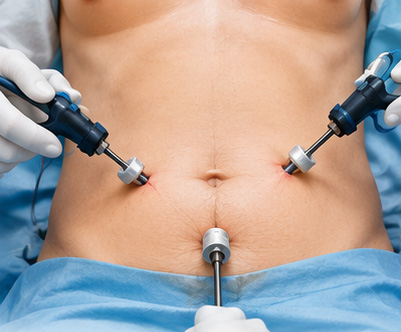
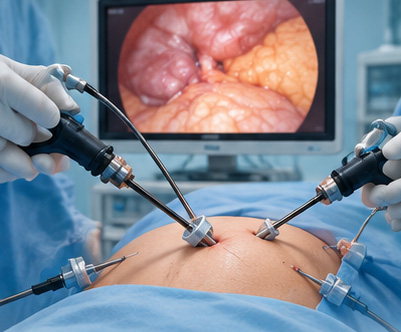
Advanced keyhole surgical techniques designed to treat a wide range of abdominal and general surgical conditions.

Procedures may include:

  • Laparoscopic gallbladder surgery
  • Laparoscopic appendectomy
  • Laparoscopic hernia repair
  • Minimally invasive gastrointestinal surgery
  • Laparoscopic colorectal procedures
  • Selected complex abdominal procedures
  • Selected robotic procedures

Minimally invasive surgery uses small incisions and specialised instruments instead of a large traditional incision. When appropriate, this can help reduce postoperative discomfort, shorten hospital stay and support an earlier return to normal activities.

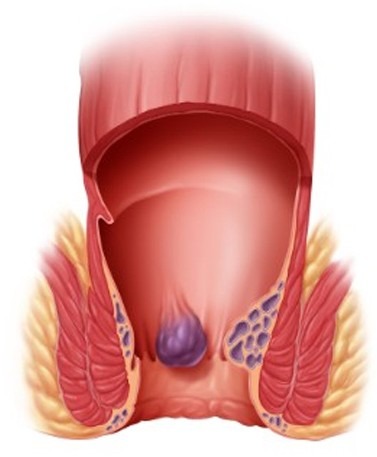
Evaluation and treatment of common anorectal conditions, including piles, anal fissure and fistula.

Conditions treated:
  • Piles / Hemorrhoids
  • Anal fissure
  • Fistula-in-ano
  • Perianal abscess
  • Selected anorectal conditions
  • Rectal prolapse
  • Selected benign colorectal conditions
Treatment options may include:
  • Medical treatment
  • Minimally invasive procedures
  • Laser procedures in selected patients
  • Conventional surgical procedures
  • Fistula procedures including minimally invasive techniques where appropriate
Not every patient with piles, fissure or fistula needs surgery. Treatment is selected after understanding the symptoms, examination findings and severity of the condition.

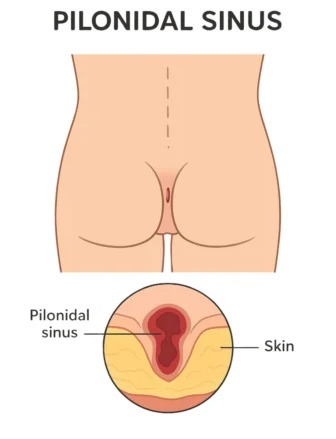
Modern and minimally invasive treatment options for pilonidal sinus disease.

Treatment options may include:
  • Endoscopic pilonidal sinus treatment
  • Minimally invasive procedures
  • Excision and closure
  • Flap procedures
  • Open treatment for selected cases
Treatment depends on whether the disease is acute, recurrent or extensive. The aim is to treat the sinus while minimising wound problems and unnecessary tissue disruption.

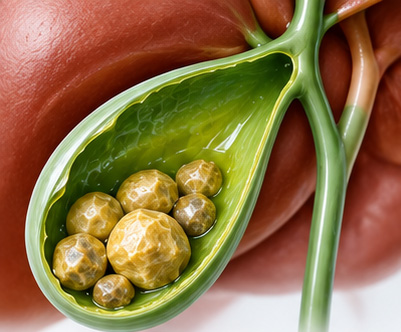
Diagnosis and surgical treatment of gallstones and other gallbladder conditions, with laparoscopic surgery whenever appropriate.

Conditions treated:
  • Gallstones
  • Recurrent biliary pain
  • Acute cholecystitis
  • Chronic gallbladder disease
  • Gallbladder polyps requiring surgical evaluation
  • Selected biliary conditions
Procedures may include:
  • Laparoscopic cholecystectomy
  • Difficult / complicated gallbladder surgery
  • Selected advanced biliary procedures
 
Gallstones do not always require surgery. When surgery is indicated, laparoscopic gallbladder removal is the standard approach for most suitable patients.

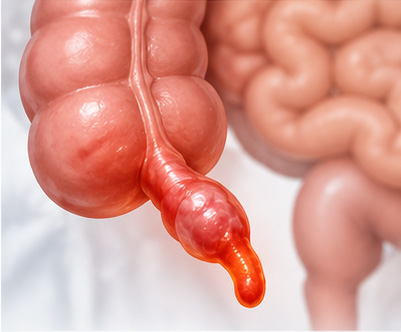
Surgical management of appendicitis and selected emergency abdominal conditions.

Conditions treated may include:
  • Acute appendicitis
  • Complicated appendicitis
  • Appendicular abscess
  • Intestinal obstruction
  • Peritonitis
  • Selected acute abdominal conditions
Procedures may include:
  • Laparoscopic appendectomy
  • Drainage procedures
  • Emergency laparoscopic surgery
  • Open surgery when clinically required
Emergency abdominal conditions can progress quickly. Early surgical assessment can help determine whether observation, medication, drainage or surgery is appropriate.

Surgical evaluation and treatment of a broad range of gastrointestinal and abdominal conditions.

May include evaluation and treatment of:
  • Intestinal obstruction
  • Abdominal infections
  • Perforation
  • Adhesions
  • Selected intestinal disorders
  • Abdominal masses requiring surgical assessment
  • Other general gastrointestinal surgical conditions
Some abdominal symptoms require more than treating the symptom alone. A surgical consultation can help determine whether observation, medication, further investigation or surgery is appropriate.

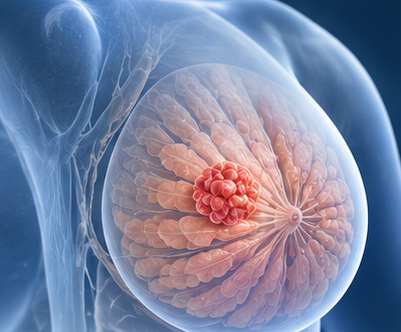
Evaluation and surgical management of breast lumps, thyroid swellings and selected breast and endocrine conditions.

Conditions may include:
  • Breast lumps
  • Benign breast conditions
  • Thyroid nodules
  • Thyroid swellings
  • Selected parathyroid conditions
Procedures may include:
  • Excision biopsy
  • Surgical biopsy
  • Breast lump surgery
  • Thyroid surgery
  • Selected parathyroid procedures
A lump does not necessarily mean cancer. However, any new or persistent breast or thyroid swelling should be appropriately evaluated before deciding on treatment.

Treatment of common lumps, cysts, abscesses and other conditions that may require minor surgical procedures.

Procedures may include:
  • Lipoma removal
  • Epidermoid / sebaceous cyst removal
  • Abscess drainage
  • Selected skin and soft-tissue procedures
  • Lymph node biopsy
  • Selected diagnostic / excision biopsies
Many minor surgical problems can be treated through short procedures, often without the need for prolonged hospitalisation.